


The abstract concept of a "brain-computer interface" is made real through a small but growing portfolio of groundbreaking Brain Computer Interface Solutions. These are not yet mass-market products but are highly specialized, integrated systems of hardware and software designed to solve some of the most profound challenges in medicine and human communication. These solutions are at the absolute cutting edge of what is technologically possible, leveraging our growing understanding of the brain to create a direct pathway for thought to control the digital world. From enabling a person with paralysis to type with their mind to restoring a sense of touch to a prosthetic hand, these early solutions are the practical demonstrations of BCI's life-changing potential and are paving the way for the future of neurotechnology.
One of the most advanced and impactful BCI solutions being developed today is the intracortical motor BCI for restoring communication and mobility. This is an invasive solution that involves surgically implanting a microelectrode array into the motor cortex of the brain, the area responsible for planning movement. This solution is designed for individuals with severe paralysis, such as from a spinal cord injury or ALS. By simply imagining moving their hand to control a computer cursor, the user can generate neural signals that are picked up by the implant. These signals are then decoded by a machine learning algorithm and translated into the movement of the cursor on a screen, allowing the user to type messages, browse the internet, and control a computer using only their thoughts. This same solution can be used to control a sophisticated robotic arm, allowing the user to reach for and grasp objects.
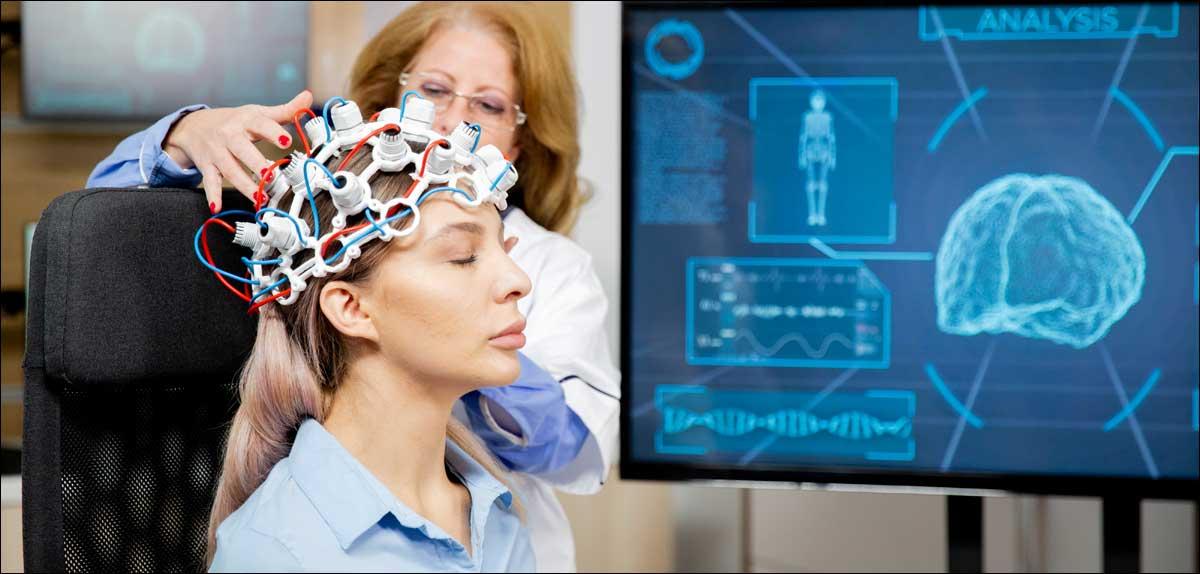
Another major category of solutions is focused on non-invasive BCI for communication and control, primarily using electroencephalography (EEG). An EEG-based BCI solution uses a cap with electrodes worn on the head to detect electrical signals from the brain. While the signal quality is much lower than with an invasive implant, it is completely safe and requires no surgery. A common type of EEG-based solution uses a visual paradigm called the P300 speller. A user is presented with a grid of letters that flash randomly. By focusing their attention on the letter they wish to type, the user's brain generates a specific, detectable signal (the P300 wave) each time that letter flashes. The BCI system can detect this signal and select the intended letter. While slower than invasive methods, this solution provides a vital communication channel for patients who have lost all voluntary muscle control.
A third, and truly futuristic, area of solutions is focused on creating bidirectional BCIs that can not only "read" from the brain but can also "write" information back to it. This involves using the implanted electrodes to deliver tiny, precise patterns of electrical stimulation to the brain to evoke an artificial sensation. The Brain Computer Interface Market is Expected to Grow USD 4.07 Billion By 2035, Reaching at a CAGR of 7.80% During the Forecast Period 2025 - 2035. A leading application of this solution is restoring a sense of touch to individuals using a prosthetic hand. Sensors on the prosthetic hand can detect pressure, and this information can be translated into a pattern of stimulation delivered to the sensory cortex of the brain, allowing the user to "feel" the object they are holding. This bidirectional feedback creates a much more natural and intuitive control loop and is a critical step towards creating truly seamless neural prosthetics.
Explore More Like This in Our Regional Reports:
France Quantum Computing Market Size

 English
 Arabic
 French
 Spanish
 Portuguese
 Deutsch
 Dutch
Dutch
 Italiano
 Russian
 Romaian
 Portuguese (Brazil)
 Tiếng Việt